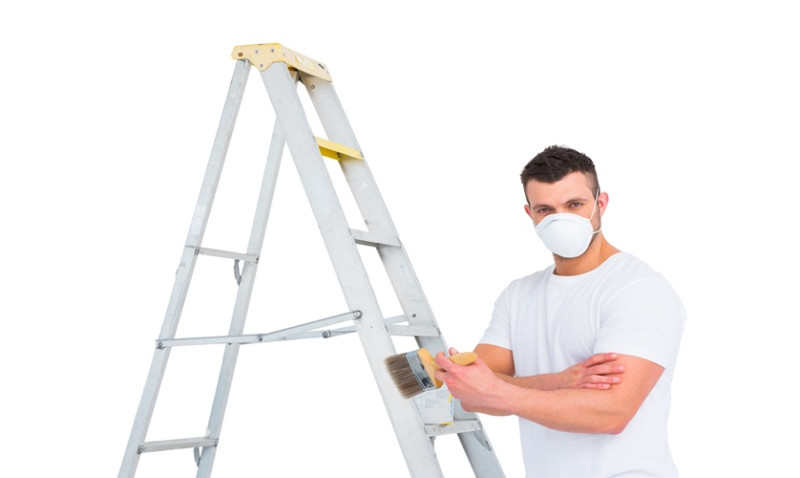
Handyman costs across the UK have risen noticeably over the past year due to inflation, material expenses, and strong demand for skilled tradespeople. Most handyman service costs now range more widely than before, with significant differences between regions. Knowing current rates helps you budget for emergency repairs and planned maintenance work.
Pricing depends on whether you pay hourly, accept a fixed rate, or sign up for ongoing maintenance. The average handyman in 2026 charges between £40 and £65 per hour for general work, though London and the South East cost considerably more. Experience level, job complexity, and whether materials are included all affect your final bill.
Hourly Labour Rates by Region
Regional differences remain the biggest factor in UK handyman pricing. London professionals charge the highest fees, typically £55 to £75 per hour for experienced work. The South East (Kent, Sussex, Surrey) runs £48 to £65 per hour, whilst the Midlands and East Anglia are cheaper.
Northern England, Scotland, and Wales offer the most competitive rates, with skilled handymen charging £35 to £50 per hour in many places. Rural areas sometimes cost less, but travel time may be added to your bill. Expect call-out fees of £20 to £40 across most regions. Many tradespeople deduct this from your first hour's labour.
- London and South East: £55–£75 per hour
- Midlands and East Anglia: £40–£55 per hour
- Northern England: £38–£52 per hour
- Scotland and Wales: £35–£50 per hour
- Rural areas: £35–£48 per hour plus travel
Common Handyman Tasks and Fixed Pricing
Many homeowners prefer fixed prices so they know exactly what they'll pay. Experienced handymen increasingly offer fixed-rate pricing for routine jobs, making budgeting easier. Simple tasks like hanging pictures, installing shelves, or fixing squeaky doors cost £30 to £80 depending on complexity and location.
Bathroom and kitchen work costs more because it requires specialist knowledge. Fitting new taps, repairing shower enclosures, or installing cabinet hardware runs £75 to £150 per job. Drain unblocking costs £40 to £120. Electrical work like socket replacement or light fitting starts at £60 and goes higher based on difficulty.
Painting a small room averages £150 to £400, depending on room size and surface condition. Assembling flatpack furniture costs £40 to £100. Fence repairs and garden maintenance typically charge £50 to £80 per hour. Property inspections for purchase or maintenance usually cost £100 to £250 as a flat fee.
Materials, Call-Out Fees and Additional Charges
Always check whether handyman quotes include materials. Most tradespeople separate labour costs from materials, which are invoiced at cost plus a handling margin. Small fixings may be included, but larger items like door frames, locks, or bathroom fixtures get charged separately.
Emergency and same-day call-outs cost significantly more in 2026. Weekend work typically adds 25% to 50% to your bill. Evening appointments and bank holiday work may cost 50% to 100% extra. Some professionals refuse weekend work entirely and focus on weekday appointments.
Travelling beyond a certain distance triggers mileage charges or higher call-out fees. Urban handymen usually include up to five miles as standard. Rural professionals may charge £0.40 to £0.50 per mile beyond their area. Long-distance jobs sometimes cost a full day's rate instead of hourly billing.
- Request itemised quotes separating labour and materials
- Confirm whether emergency surcharges apply to your timeline
- Establish upfront mileage or travel charge policies
- Check if call-out fees deduct from labour charges
- Ask about minimum charge requirements
How to Compare Handyman Quotes Effectively
Get quotations from 3-5 local providers to find competitive handyman service pricing in your area. This reveals typical costs and flags any unusually high or low quotes. When requesting estimates, provide detailed information including measurements, photographs, and access details.
Be specific about what you need. State whether you want hourly rates, fixed prices, or estimates based on job scope. Ask about insurance coverage, workmanship guarantees, and response times. Check online reviews and credentials to ensure you're getting good value, not just the cheapest price.
Always get written quotations. Avoid verbal estimates because they create disputes over agreed pricing and scope. Professional handymen typically provide free written quotes within 48 hours, including site inspections when needed for accurate pricing on complex work.
Seasonal Cost Variations and Booking Strategy
Demand for handymen shifts seasonally, affecting both availability and price. Spring and summer see heavy demand, pushing costs up as professionals fill their schedules. Winter periods sometimes offer discounted rates because handymen have fewer bookings, though some reduce work due to shorter daylight hours.
Booking during quieter months can save you 10% to 20% on non-urgent projects. Spring work like fence repairs, deck restoration, and exterior painting commands higher prices because everyone needs these jobs done then. Emergency repairs during storms or system failures naturally cost more, reflecting the difficulty of urgent work.
Planning ahead lets you negotiate better rates. Some specialists discount multiple jobs or ongoing maintenance contracts. Annual maintenance agreements sometimes reduce hourly rates by 15% to 25%, giving you cost certainty alongside regular property care.
Getting Value Beyond Lowest Price
The cheapest quote isn't always the best deal when hiring handyman service providers. Professionals with strong reputations, full insurance, and quality guarantees may charge slightly more than budget operators. Paying a bit extra for experienced, qualified tradespeople often prevents costly rework and delivers results that last much longer.
Specialists matter for technical work. Plumbing, electrical, and structural repairs need relevant qualifications and experience, which justifies higher rates than basic labour. Hiring under-qualified people for complex jobs frequently leads to expensive fixes and potential safety problems that damage property value.
Compare quotes from 3 providers at different experience levels to establish fair pricing for your needs. Ask about previous relevant work, professional qualifications, and warranty periods. This helps you find competitive rates without sacrificing quality and reliability.
Frequently Asked Questions
How much should I expect to pay for a handyman in 2026?
Most handymen charge between £40 and £65 per hour for general work. London and the South East cost more, ranging from £55 to £75 per hour. Regional rates drop significantly in Northern England, Scotland, and Wales, where you'll pay £35 to £50 per hour. Fixed-price jobs for simple tasks typically cost £30 to £80.
Are there additional charges beyond the hourly rate?
Yes. Call-out fees usually run £20 to £40 and may be deducted from your first hour. Weekend work adds 25% to 50%. Travel beyond a certain distance incurs mileage charges or expanded call-out fees. Materials are almost always charged separately at cost plus a handling margin.
What's included in a typical handyman quote?
Labour costs are separate from materials. Small fixings are often included, but larger items like door frames or bathroom fixtures are charged separately. Always ask whether your quote covers materials or if you'll be billed for them at cost plus a margin.
How can I get the best value for money?
Get written quotes from 3-5 local handymen. Compare their experience, insurance, guarantees, and online reviews alongside price. The cheapest option isn't always best; paying slightly more for a qualified, insured professional often prevents costly rework. Book during quieter seasons (autumn and winter) to negotiate better rates on non-urgent work.
Do handymen offer discounts for multiple jobs or ongoing work?
Many do. Some offer package discounts when you combine several tasks into one appointment. Annual maintenance agreements can reduce hourly rates by 15% to 25%. Always ask about discounts when booking multiple jobs or long-term arrangements.
What's the difference between a general handyman and a specialist?
General handymen handle basic repairs, maintenance, and assembly work. Specialists have qualifications and experience in plumbing, electrical, or structural work. Specialists charge more but prevent costly mistakes on technical jobs. For complex work, investing in a qualified specialist is usually worth it.
Ready to compare quotes from trusted local handymen?
Post your job on QuoteBank today and receive free, itemised quotes from vetted professionals in your area. No obligation. Get pricing in minutes, not days.
Trending articles
-
 Handyman Rates and Pricing in 2026: ...
Feb 2026
Handyman Rates and Pricing in 2026: ...
Feb 2026
-
 How to Get More Handyman Services Work ...
Feb 2026
How to Get More Handyman Services Work ...
Feb 2026
-
 How to Choose a Handyman: Questions to ...
Feb 2026
How to Choose a Handyman: Questions to ...
Feb 2026
-
 Signs You Need a Handyman: When to ...
Feb 2026
Signs You Need a Handyman: When to ...
Feb 2026
-
 How Much Does Handyman Services Cost ...
Feb 2026
How Much Does Handyman Services Cost ...
Feb 2026
-
 Handyman vs Specialist Tradesperson: ...
Feb 2026
Handyman vs Specialist Tradesperson: ...
Feb 2026